Hilary Oxford Smith
Hilary Oxford Smith
Writing and Poetry
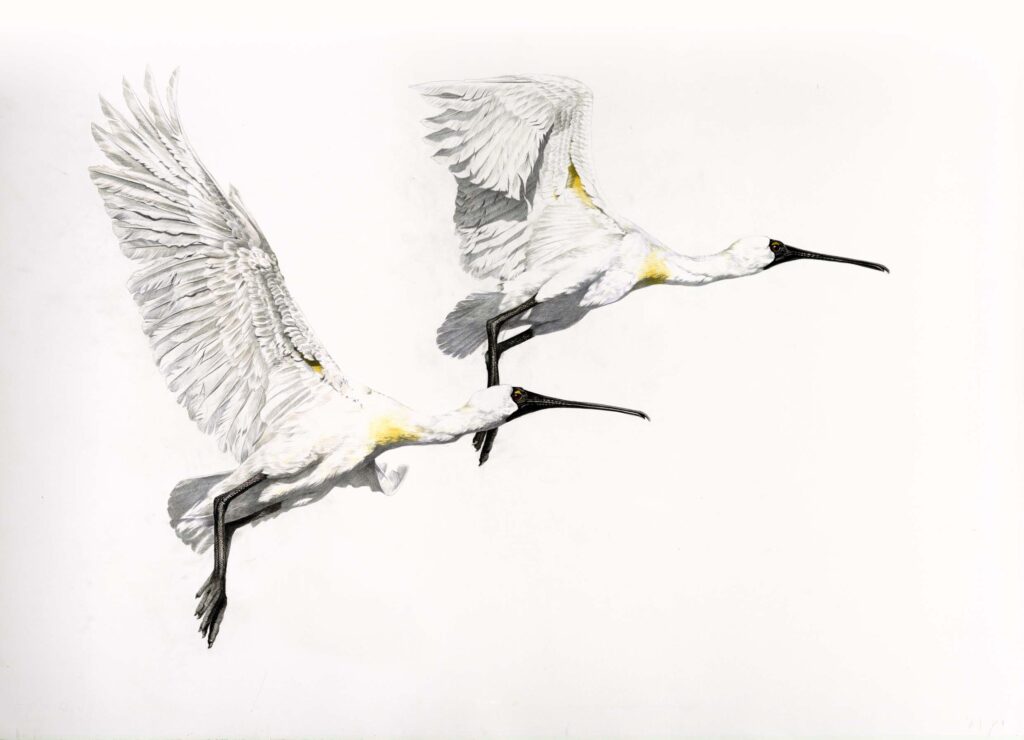
Dawn on the Otago Peninsula. The clarion call of a rooster heralds a golden Autumn day and the rising of the sun in the east. I gaze out of my cottage window and see a korimako, or bellbird, perched on the branch of a willow tree. He is a solo performer at the coming of the light. Then blackbirds, thrushes, turtle doves, finches, tuis, and warblers join him in a dawn chorus. Magpies chortle in the tall gum trees, too. Jonathan Livingston Seagull shares wisdom in the sky. White feathered royal spoonbills sweep the low tide line of the harbour for breakfast, and in the court of heaven on earth, four royal albatross or toroa glide through the air with their vast archangel wings.
The daily and eternal rhythms, cycles and seasons at the heart of all creation are divine giftings, affirming the spirit of the Risen Christ, who was, is, and will always be present, embodied in the whole of life.
I remember visiting a little retreat house called Oasis near Auckland many moons ago. Carved into the steep hillside was a labyrinth shaped as a koru, a tree fern. Each delicate, spiral frond unfurled to the light. In Māori culture, the koru symbolises life, death, renewal, eternity and peace.
I have also been reminded of The Lark Ascending, inspired by George Meredith’s poem of the same name and written by Ralph Vaughan Williams. It is a dramatic, poignant and sweet melody about a little bird who soars from the earth to the heavens, taking with her the sorrow, pain, loss, and limitations of life and transforming them into something forever beautiful, forever singing, and forever renewing.
Feathers on the breath of God, transfiguring the life of the world, one song at a time.
Hilary Oxford Smith
Image Royal Spoonbills, Neils Meyer-Westfelt
Copyright Hilary Oxford Smith 2026 :: Website by hedley enterprises